



What to Expect With Independent Medical Exams After a Truck Accident
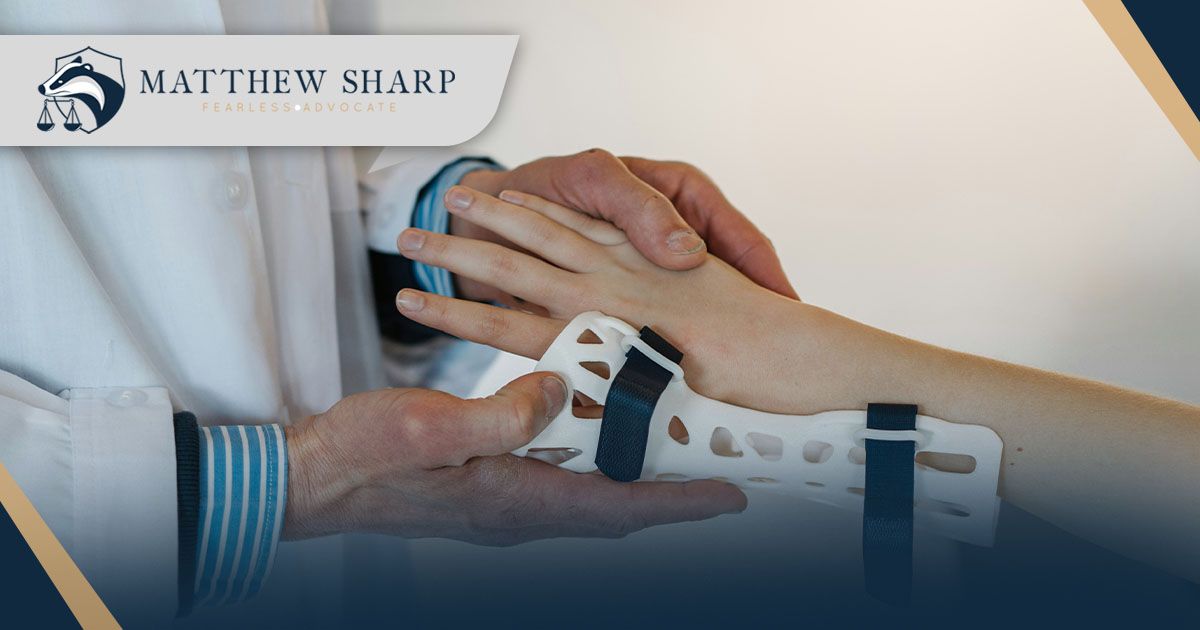
An independent medical exam after a truck accident usually isn’t as “independent” as it sounds.
In many serious truck accident cases, the trucking company, its insurance carrier, or its defense lawyers request the exam because they want a second medical opinion. Not for your treatment, or for your recovery, but to position themselves in case of a claim.
That matters.
The insurance company doctor isn’t there to become your physician. They’re there to evaluate your injuries for the side that may have to pay money. That makes the exam part of the defense strategy, not a routine medical appointment.
An IME for truck accident injuries often shows up when the case has real value. The more expensive the claim is, the greater the insurer’s incentive to question it. So, don’t walk into a defense medical examination casually.
Be respectful. Be honest. But understand what’s happening.
This exam can affect the truck accident settlement process, and the report may be used to reduce the value of your claim.
The Legal Purpose of an Independent Medical Exam
The legal purpose of an independent medical exam is to give the defense its own medical opinion about your injuries, treatment, limitations, and whether the truck crash caused your condition.
In plain English, the defense wants a doctor who can evaluate the case from the defense’s perspective.
That doesn’t automatically mean the exam is unfair. But it does mean the exam is not for your medical benefit.
Your treating doctors focuses on care. They diagnose, treat, monitor, and help you recover.
The insurance company doctor has a different role. They may review your records, briefly examine you, and write a report on causation, treatment, impairment, work restrictions, and future care.
That report can become evidence, and the defense may use it to argue that your injuries were pre-existing, temporary, exaggerated, unrelated to the crash, or less serious than your treating doctors say. They may also use it to challenge the need for surgery, injections, therapy, medication, or long-term restrictions.
An IME will often focus on the following questions:
- Did the truck crash cause your injuries?
- Was your treatment reasonable and necessary?
- Do you have permanent impairment?
- Will you need future medical care?
- When can you return to work?
- Does your claimed pain level match the exam findings?
- Do you have any prior injuries that explain your current symptoms?
That’s why the phrase “independent” can feel misleading. The exam may be allowed under the rules, but it’s still part of an adversarial process.
How Trucking Insurers Use IME Results to Limit Liability
On Nevada’s major interstate corridors like I-15 and I-80, daily truck traffic ranges from 6,000 to over 10,000 trucks per day, with commercial vehicles making up over half of the total vehicle traffic on some rural stretches.
These numbers make truck accidents and injury claims serious business in our state.
Trucking insurers use exam results to limit their own liability by creating medical arguments that reduce the value of your injury claim. If they can weaken causation, damages, future care, or disability, they can justify offering less money, and that’s the ultimate goal.
This is especially common in a high-value trucking accident injury claim.
Truck crashes can cause serious injuries, and serious injuries cost serious money. Medical bills may be high. Lost wages may be significant. Future treatment may be likely. The defense knows that.
So, they look for pressure points.
An adverse medical examination can give the insurer a report it can use during negotiations, mediation, arbitration, or trial. The defense doctor may say your injuries were temporary.
They may say your pain comes from age-related degeneration. They may say your treatment was excessive. They may say you reached maximum medical improvement, or that you can return to work sooner than your own doctor recommends.
That can shape the entire settlement process.
This isn’t personal. It’s financial. And once you understand that, the exam makes more sense.
Critical Mistakes to Avoid During the Physical Examination
The biggest mistakes you can make during a defense medical examination are exaggerating, guessing, arguing, volunteering too much, or treating the appointment like private medical care.
This is not the place to be dramatic, but it’s also not the place to be overly casual.
Answer the questions asked. Keep your answers clear. Don’t guess if you don’t know. Don’t say “always” or “never” unless that’s truly accurate, and don’t claim you can’t do something if you sometimes can do it with pain, limits, or help.
Be specific.
If a movement hurts, say where. If the pain starts after a certain point, explain that. If the doctor asks you to perform a movement that causes pain, don’t force through it just to be polite. Also, don’t assume a friendly conversation is harmless. The doctor may ask about chores, hobbies, travel, exercise, driving, yard work, or work activities.
Those answers may later appear in a report and be used to argue that your limitations are less serious than you claim.
Some of the most common exam mistakes can include:
- Exaggerating your symptoms
- Minimizing your pain because you feel embarrassed
- Arguing or being adversarial with the doctor
- Purposely leaving out prior medical issues
- Treating the insurance company doctor like your own physician
The safest approach is simple: Be polite. Be truthful. Be specific…but don’t help the defense by being careless.
Documenting the Independent Medical Exam Process for Your Legal Team
You should document the independent medical exam process because the final report may not match what you experienced. That happens. Not always, but often enough that you should prepare for it.
Right after the appointment, write down what happened while the details are still fresh. Don’t wait a week. Memory fades fast.
Medical evidence in truck crashes depends on accuracy. If the report later says the exam lasted 45 minutes, but the physical exam took only 8 minutes, that may matter. If the report says your range of motion was normal, but the doctor barely tested it, that’s important too.
This isn’t about nitpicking. It’s about protecting the record. If the defense report becomes a problem later, your notes may help your lawyer challenge it.
When an Unfair Independent Medical Exam Leads to Insurance Bad Faith
An unfair IME can be used to support an insurance bad faith argument when the insurer used a biased, incomplete, or misleading report to delay, deny, or undervalue your valid claim. That doesn’t mean every bad exam report is bad faith, but a sketchy IME can certainly be part of a larger pattern.
For example, an insurer may ignore your treating doctors, cherry-pick one defense-friendly opinion, misstate what the IME doctor found, or rely on a report with obvious factual errors.
It might also refuse to consider updated medical evidence or use the IME as an excuse to make an unreasonably low offer.
That’s where insurance bad faith concerns may come into play, especially in serious Nevada trucking cases. Insurers can defend claims. They can question evidence. They can negotiate hard. But they still have to handle claims reasonably and fairly.
The key question is reasonableness.
Did the insurer fairly evaluate all the evidence, or did it use the IME as cover to protect its bottom line?
That distinction matters. A lot.
The Law Office of Matthew L. Sharp Advocates for Truck Accident Victims
An independent medical exam after a truck accident isn’t just another doctor’s appointment.
It’s a defense tool that the trucking insurer may use to challenge your injuries, treatment, future care, work restrictions, and overall claim value.
That doesn’t mean you should fear it, but it does mean you should take it seriously.
In a serious trucking accident injury claim, medical evidence can drive the value of the case. That’s exactly why the defense wants its own medical story. Your job isn’t to outsmart the doctor. It’s to protect the honest record, stay accurate, and understand that the exam is part of an adversarial process.
The more seriously you treat an IME, the harder it becomes for the insurance company to use it unfairly against you.
That’s when you need the experienced legal professional at the Law Office of Matthew L. Sharp in your corner.
Contact us today to learn more about how we can help.