


The Largest Wildfires in U.S. History
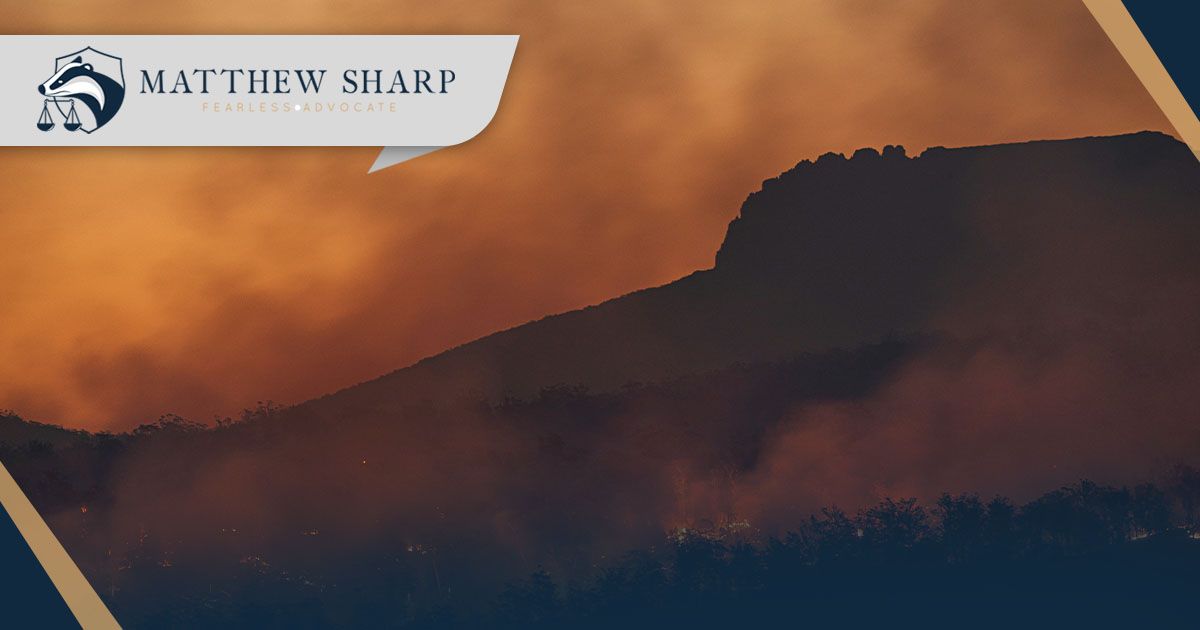
The largest wildfires in U.S. history burned millions of acres. These infernos destroyed entire communities and left survivors fighting insurance companies for years. Those survivors learned that making it through the actual fire is only half the battle. Trying to rebuild afterward can be extremely difficult, especially when insurers delay, underpay, or even deny legitimate claims.
Here’s a glance at the fires that shaped modern wildfire risk, what they mean for homeowners insurance bad faith claims, and what to do if your claim starts going up in smoke.
Ranking the Most Destructive Wildfires in United States History
As far as acreage goes, some of the largest wildfires occurred over a century ago due to logging practices, poor weather prediction, and slower, overwhelmed firefighter response. However, in terms of property damage, acreage, and overall destruction, several of the largest are quite recent.
- The Los Angeles/Palisades and Eaton Wildfires (2025): Caused between $20 billion and $40 billion in insured losses and up to $150 billion in total economic loss after destroying more than 18,000 structures.
- The August Complex Fire (2020): Lightning strikes sparked this group of fires, which burned more than one million acres of mostly forested land across Northern California from mid-August to mid-November.
- The Dixie Fire (2021): The largest single-source fire in California history consumed just under a million acres and incinerated most of the town of Greenville.
- The Bootleg Fire (2021): This raging inferno in Southern Oregon charred around 400,000 acres and destroyed 408 buildings from July 6 to August 15. The fire burned with such ferocity it generated its own unpredictable weather systems.
- The Cedar Fire (2003): This firestorm tore through highly populated areas of San Diego County in California, destroying 2820 buildings and 2232 homes.
- The Peshtigo Fire (1871): This Wisconsin disaster started on the same day as the Great Chicago Fire but claimed five times as many lives—at least 1500—and destroyed over 1.2 million acres, making it one of the most destructive wildfires by acreage.
Though wildfires can cause destruction anywhere, they are a more frequent concern in Western states like California, Nevada, Oregon, and Colorado. Some are caused by natural forces such as lightning, but most are rooted in human causes. The National Interagency Fire Center keeps current federal fire statistics.
The Evolution of Wildfire Risk and Modern Fire Behavior
You probably noticed that four of the six biggest wildfires listed in the section above occurred after 2020. They are recent. Fires today are not just bigger than they used to be; they spread faster, burn hotter, and can behave unpredictably.
But why? There happen to be several causes. Decades of fire suppression tactics have left forests packed with dry fuel. Combine that with longer droughts, higher temperatures, and more neighborhoods encroaching into these areas, and it creates a high level of risk.
Land managers and insurers are still struggling to keep up with these changes.
How Massive Wildfires Impact Homeowners Insurance Coverage
As insurers scramble to adapt to more frequent and more destructive wildfires, homeowners are paying the price—literally. Many have learned after a major fire event that they are not fully covered after a total loss.
In recent years, insurance companies have tried to quietly shift their exposure in affected regions, which includes Nevada. These shifts often lead to premium increases, reduced homeowners’ insurance fire coverage limits, or outright non-renewal for policyholders in high-risk areas. Many who survived the Dixie and Cedar fires in California wound up in catastrophic fire insurance disputes while attempting to get sufficient payouts for the damage they faced.
Those homeowners hadn’t done anything wrong. Their policy limits simply hadn’t kept pace with modern construction costs.
The last thing anyone wants after a wildfire has consumed their house is to learn that their coverage wasn’t enough.
Common Insurance Challenges Following a Total Loss Fire Event
The standard claims process after a total loss isn’t just unsympathetic. It can be cruel. Some of the obstacles many survivors face include:
- Denial letters lacking any clear or documented reason for the rejection
- Underpayment on total loss settlements
- Long delays in processing claims that leave families in limbo
- Insurers requiring excessive documentation after a total loss
- Twisting or misinterpreting policy language to justify smaller payouts
- Policy exclusions that pop up only after a claim gets filed
- Getting delayed by disputes over actual cash value vs. replacement costs
That last item is particularly common. Disputes arise over the gap between what the insurer offers the policyholder and the actual cost of rebuilding after a total loss. This gap has gotten wider as construction costs have surged.
Survivors often describe the claims process as a “second disaster” that takes almost as big a toll on them as the actual wildfire.
Identifying Signs of Insurance Bad Faith After a Wildfire
Getting lowballed by your insurer is frustrating enough. However, insurance bad faith after wildfire claims is a specific breach of trust. It has a legal standard and carries real consequences for insurance companies that cross the line.
Watch for these warning signs:
- A denial letter offering no clear or documented reason for the decision
- Weeks or even months of delay on a claim with no meaningful communication
- Policy language intentionally misinterpreted to justify paying less
- Failing to investigate a claim in a timely manner
- Applying pressure to sign a quick settlement before repair/replacement costs can be properly assessed
- A settlement offer that’s significantly less than actual, documented losses
Legal Protections for Victims of Historic Fire Disasters
Nevada law allows policyholders to pursue bad faith claims against an insurer that deals with them unfairly. A successful claim can result in receiving compensation up to and even beyond the original policy limits, including:
- All amounts paid by the policyholder to pursue the claim, including lawyer’s fees
- Damages for mental suffering or emotional distress caused by the insurer’s behavior, and
- Possible punitive damages
At the Law Office of Matthew L. Sharp, we handle insurance bad faith disputes across all major policy types. If your wildfire insurance claim has been denied, delayed, or underpaid, you could have more legal options than you know. Matthew Sharp knows how to hold these insurers accountable, even if it means taking the case to court.
When an insurer refuses to deal fairly, you need to know your options. Call to schedule a consultation today to understand what should be done.