


Who Can Be Liable in a Truck Accident?
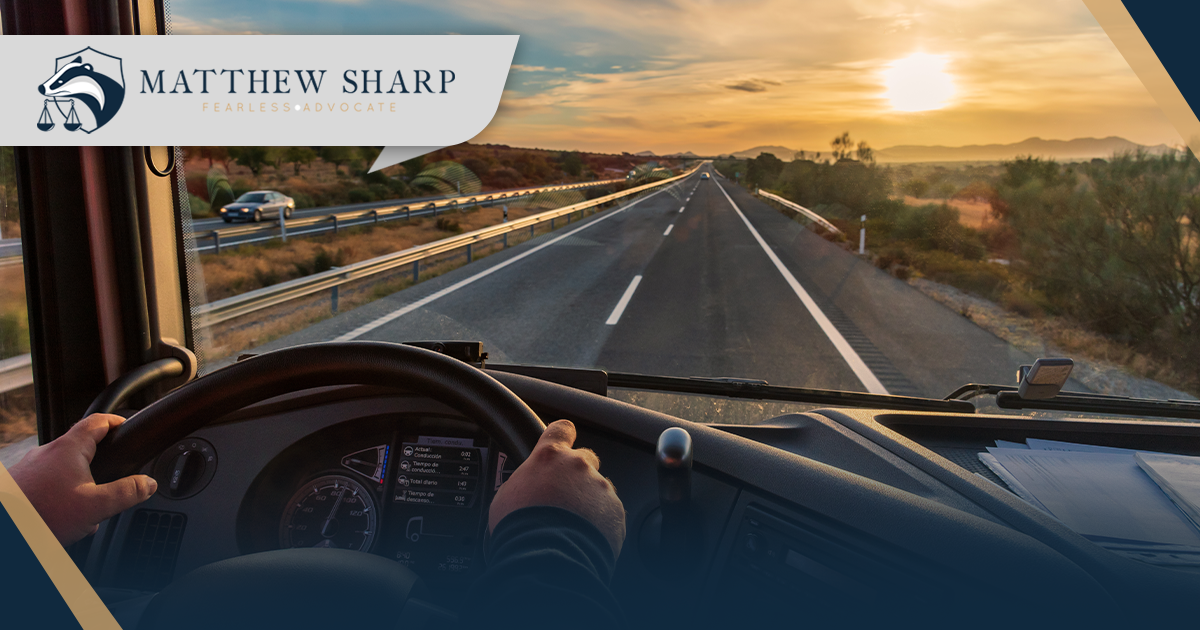
When a truck crash happens in Nevada, more than one person or company can share responsibility.
In many cases, the truck driver, the trucking company, a cargo loader, a parts manufacturer, or even a government agency may all play a role in causing the wreck. Understanding who can be liable in a truck accident is the first step toward protecting your rights and pursuing a fair truck accident claim.
Nevada law lets injured people seek compensation from any party whose negligence contributed to the crash. That includes individuals and businesses that may never even appear at the scene.
Because commercial vehicle crashes are complex, it’s important to identify who can be liable in a truck accident early, gather evidence quickly, and build a clear story about what went wrong.
Which Parties Are Commonly Liable in a Truck Accident?
In most truck accidents, several key players can be responsible. The main parties who may be liable include:
- The truck driver
- The trucking company or motor carrier
- The cargo loading company or shipper
- The truck or parts manufacturer
- A maintenance or repair shop
- Other drivers on the road
- A government entity responsible for the roadway
Each of these parties has specific duties under Nevada traffic laws and federal trucking regulations.
When they ignore those duties, they put everyone on the road at risk and open themselves up to legal responsibility through a Nevada truck accident claim.
Truck Drivers
Truck drivers often take center stage in an accident investigation. They operate vehicles weighing tens of thousands of pounds, so they must drive with extra care and follow strict rules.
Drivers may be liable when they:
- Speed or follow too closely
- Drive while tired in violation of hours-of-service rules
- Use a phone or get distracted behind the wheel
- Drive under the influence of alcohol or drugs
- Ignore weather conditions or road hazards
When a driver makes one of these mistakes and causes a crash, injured people can pursue compensation for medical bills, lost wages, pain and suffering, and other damages. However, the case rarely ends with the driver alone, because most drivers work for a motor carrier that may also share fault.
Trucking Companies and Motor Carriers
Trucking companies can be liable in a commercial vehicle crash when they create unsafe conditions or fail to properly oversee their drivers and trucks. Even if a company never directly causes the collision, it can still be responsible under the legal theories of vicarious liability, negligent hiring, or negligent supervision.
The company might be at fault if it:
- Hires drivers with poor records or inadequate training
- Pushes drivers to meet unrealistic delivery deadlines
- Fails to monitor driving logs or hours of service
- Skips regular inspections or maintenance
- Ignores safety complaints or mechanical issues
In many cases, the trucking company’s insurance policy provides most of the available coverage for an injured person. This is why an experienced personal injury attorney will often focus heavily on the company’s records, policies, and safety history.
Cargo Loaders and Shippers
Improperly loaded or secured cargo can turn a large truck into a serious hazard. If freight shifts, falls off, or makes the vehicle top-heavy, it can cause a rollover accident, jackknifing, or sudden loss of control.
Cargo loaders or shippers may be liable when they:
- Overload the trailer beyond weight limits
- Fail to balance the load properly
- Use the wrong tie downs or securement methods
- Ignore special handling rules for hazardous or fragile cargo
These companies may carry separate insurance, which can increase the total recovery in a truck accident claim.
Truck and Parts Manufacturers
Sometimes, the problem isn’t the driver or how the truck was loaded, it’s the truck itself.
Defective brakes, tires, steering components, or other parts can fail at highway speeds and cause catastrophic injuries in a split second.
Manufacturers or distributors may be liable if:
- A design defect made a component unreasonably dangerous
- A manufacturing flaw caused a part to fail unexpectedly
- The company failed to warn about known risks or maintenance needs
In these cases, victims may pursue a product liability claim alongside their negligence claims. This can be complex, since it often requires engineering experts, testing, and a detailed review of design and production records.
Maintenance and Repair Shops
Regular maintenance is critical for safe trucking operations. When an outside mechanic or repair shop takes on that job and does it poorly, it can share liability for any crash that happens as a result.
A maintenance provider may be responsible when it:
- Skips important steps in an inspection
- Installs the wrong parts or low-quality components
- Fails to fix a known safety issue
- Clears a vehicle as safe when it isn’t
Maintenance tickets, invoices, and inspection reports often provide important clues about what went wrong.
Other Drivers on the Road
Not every truck accident rests solely on the trucking side. Other drivers can cut off a semi, stop too quickly, or change lanes without signaling. Because trucks need more time and space to react, these careless moves can trigger chain reaction collisions, even when the truck driver tries to avoid them.
Other drivers may be liable when they:
- Weave in and out of traffic around a truck
- Brake hard in front of a loaded trailer
- Fail to yield when merging on the freeway
- Drive while distracted or impaired
In Nevada, multiple drivers and companies can share fault under comparative negligence rules.
That means a court or insurance adjuster might assign percentages of blame to everyone involved, which affects how much each party must pay.
Government Entities and Roadway Defects
Sometimes it’s the road itself that leads to an accident. Poor design, missing signs, broken traffic signals, or dangerous drop-offs can turn even a minor mistake into a major collision. In those cases, a city, county, or state agency responsible for road design and maintenance might share liability.
Government entities may be responsible due to:
- A lack of proper signage or signals
- Missing or damaged guardrails
- Unrepaired potholes or uneven pavement
- Poorly marked construction zones
Claims against government bodies follow special rules and shorter deadlines, so it’s important to act quickly if you suspect a road defect contributed to your crash.
Why Is It Important to Identify Every Liable Party?
It isn’t just about assigning blame; it’s about making sure there’s enough insurance coverage and financial resources to truly compensate you for your losses. A serious truck crash can leave you with lifelong medical needs, reduced earning capacity, and major changes to your daily life.
By identifying every liable party, your attorney can:
- Increase the total pool of available insurance
- Avoid letting the most responsible parties escape accountability
- Strengthen your negotiating position with all insurers
- Protect yourself from surprise defenses that shift blame
Our Reno personal injury attorneys routinely handle commercial vehicle incidents and know how to spot all potential defendants and bring them into the case early.
How Does a Lawyer Figure Out Who Is at Fault in a Truck Accident?
A lawyer investigates by reviewing police reports, gathering witness statements, preserving electronic data from the truck, analyzing maintenance and loading records, and working with accident reconstruction experts. Your attorney then uses this evidence to show how each party’s actions broke safety rules and caused your injuries.
What Is Insurance Bad Faith in Truck Accident Claims?
Insurance bad faith happens when an insurer doesn’t handle a valid claim fairly or honestly.
After a truck accident in Reno, insurers are legally obligated to investigate the crash, evaluate liability, and pay legitimate claims in good faith. When they delay, deny, or undervalue a claim without a reasonable basis, they may be liable for additional damages beyond the value of the original truck accident claim.
You may be dealing with insurance bad faith if the insurer:
- Refuses to investigate or respond to your claim
- Delays payment without a valid reason
- Denies coverage without explaining why
- Pressures you into accepting an unfair settlement
When it appears that an insurer has acted in bad faith, it can slow down your recovery and add unnecessary stress and complications to an already difficult situation. That’s when we can step in, document how the insurer has conducted itself, and pursue additional compensation if the company violated Nevada’s insurance bad faith laws.
What Should I Do After a Truck Accident in Reno to Protect My Rights?
- Get medical care immediately
- Report the crash
- Take photos if you can
- Gather witness contact information
- Avoid giving detailed statements to the trucking company’s insurer.
- Contact a Reno personal injury attorney as soon as possible, so they can start preserving critical evidence and handling communications with the insurance companies.
The Law Office of Matthew L. Sharp Fights for Truck Accident Victims
If you’ve been injured in a truck accident in Reno, you don’t have to sort through all of this alone.
As experienced Nevada truck accident lawyers, we can step in, investigate each angle, and help you hold the right people accountable so you can focus on healing and rebuilding your life.
Contact us today for a free consultation.