


Delivery Truck Accidents
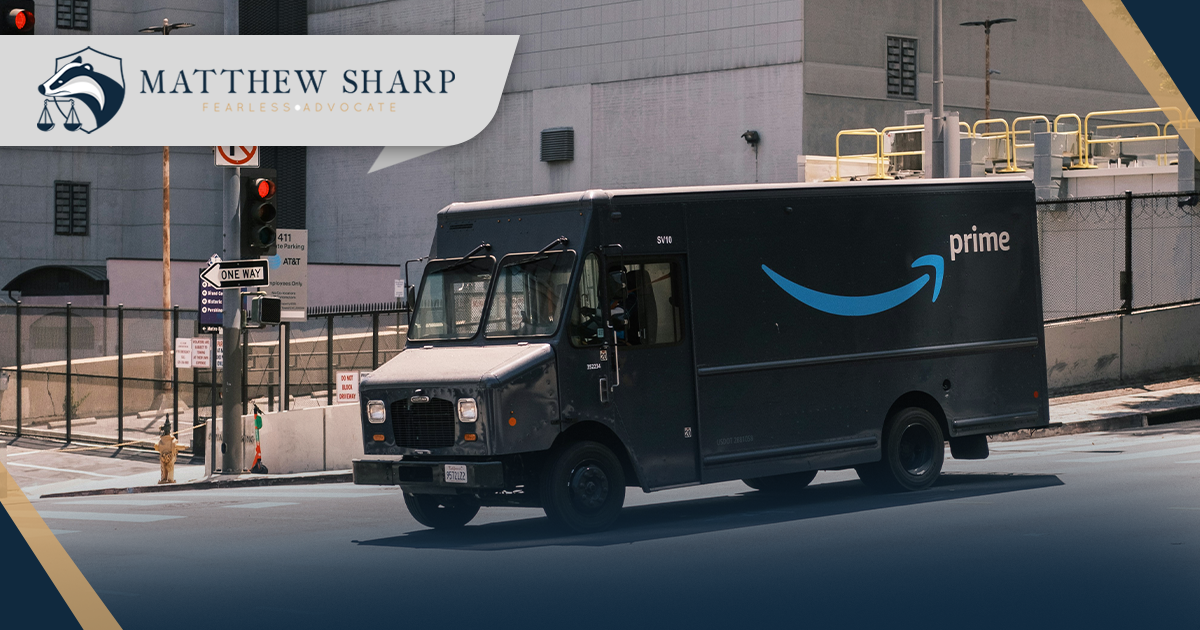
Delivery trucks are everywhere in Reno. With the growth of e-commerce and on-demand services, these vehicles move through neighborhoods, business districts, and busy roadways all day long.
When a delivery truck crash happens, the injuries and losses can be significant. What many don’t realize is that delivery truck accidents have unique legal and insurance challenges that are very different from a typical car crash. Understanding those issues early can make a major difference in how a case unfolds and how compensation is recovered.
From complicated corporate policies to multi-layered commercial insurance and even insurance bad faith concerns, delivery truck accident claims require careful attention. Victims often face large corporations, national insurance carriers, and defense teams trained to limit payouts.
Knowing what makes these cases different helps level the playing field.
Why Delivery Truck Accidents Are Different
Delivery truck accidents bring challenges that don’t always appear in standard collisions. Unlike private motorists, delivery drivers operate under demanding schedules, company policies, and federal or corporate rules. These can directly affect liability and insurance coverage.
At a high level, the unique differences can include:
- Corporate ownership or responsibility for the vehicle
- Commercial insurance policies with complex exclusions
- Contracted drivers or independent contractor arrangements
- Electronic tracking, delivery metrics, and route monitoring
- High-pressure delivery timelines affecting driver behavior
These realities don’t just shape how the accident occurs, they shape how the claim is handled from the first insurance phone call.
Company Pressure and Delivery Deadlines
One significant challenge is the delivery environment itself. Drivers often face tight deadlines, real-time rerouting, and expectations to complete dozens of stops per shift. That pressure can increase the risk of making mistakes. Drivers might feel the need to speed, roll through stops, multitask while navigating, or rush through neighborhoods where pedestrians and cyclists share the road.
Many delivery companies use performance tracking tools that measure on-time deliveries, idle time, and efficiency. While those systems may improve productivity, they can also encourage dangerous driving behaviors.
When a crash happens, the company may argue that the driver alone was responsible. However, an investigation may reveal that company expectations contributed to unsafe decisions, which is key to a fair truck accident claim.
Complex Insurance Coverage Issues
One of the biggest challenges in delivery truck accidents is the need to navigate commercial insurance coverage. These cases rarely involve a single auto policy. Instead, there may be several layers of insurance, contractors, and corporate agreements.
Right from the start, it helps to understand that:
- The driver may be insured
- The delivery company may carry a separate policy
- A fleet owner or contractor may have coverage
- Third-party logistics companies may also be involved
- Personal and commercial policies may overlap
Overlapping policies like these can often lead to finger-pointing as each insurer tries to shift responsibility to another. For the injured person, that often means delays, confusing communication, and uncertainty about who must pay.
Independent Contractors Versus Employees
Many nationwide delivery services use independent local contractors instead of traditional employees. That status can complicate liability. The company may claim it isn’t responsible for the contractor’s actions, even though the contractor drives a branded vehicle and follows company rules.
When this happens, attorneys often look closely at:
- The company’s level of control over routes and schedules
- Safety training and supervision
- Branding and company identification on the vehicle
- Company ownership of tools, technology, or uniforms
If the company exerts significant control, it may still share responsibility for the crash despite contractor labels. This distinction can be crucial in a commercial vehicle accident claim.
Insurance Bad Faith in Delivery Truck Claims
Insurance bad faith becomes a real risk in delivery truck accident cases because large commercial insurers have significantly more financial exposure. Bad faith occurs when an insurer doesn’t deal with a valid claim honestly or fairly. Instead of helping victims recover, the insurer may delay, deny, or underpay the claim without proper justification.
Bad faith may appear when an insurer:
- Refuses to conduct a reasonable investigation
- Ignores key evidence or medical documentation
- Delays communication or payment without cause
- Misrepresents policy terms
- Pressures victims to accept low settlements
Because delivery truck accidents often involve multiple insurers and layers of coverage, each carrier may attempt to minimize its financial responsibility. This can increase the likelihood of unfair practices.
When bad faith occurs, the injured person may have additional legal rights, including the possibility of pursuing damages beyond the original claim through a Nevada personal injury attorney.
Proving Liability in a Delivery Truck Accident
Determining liability in a delivery truck crash requires more than a police report. These cases often involve corporate documentation, digital tracking logs, and internal safety policies.
Attorneys may examine:
- Electronic route and delivery logs
- GPS and telematics data
- Dispatcher communications
- Delivery driver training materials
- Maintenance and inspection records
- Employment or contractor agreements
This level of investigation helps identify whether the crash resulted from driver error, company policy, improper maintenance, or a combination of factors. It also helps establish whether multiple defendants share liability, which is common in delivery truck crash cases.
Common Causes of Delivery Truck Accidents in Reno
Every collision is different, of course, but delivery truck crashes commonly involve:
- Distracted driving due to navigation or dispatch apps
- Fatigue from extended routes or multiple shifts
- Speeding to meet delivery quotas
- Improper turns or quick braking in residential areas
- Parking or loading in unsafe locations
These risks are heightened because delivery trucks often operate in tight spaces near pedestrians, parked vehicles, and bike lanes.
Why Delivery Truck Crash Cases Often Require Legal Support
Because delivery truck accident claims involve corporations, logistics networks, and national insurance carriers, they tend to be more adversarial than traditional defendants. Victims may face early “lowball” settlement offers, extensive paperwork, and requests for recorded statements.
Legal guidance can help you:
- Preserve critical digital evidence
- Identify all responsible parties
- Hold insurers accountable for fair dealing
- Seek compensation for your long-term losses
- Recognize and call out insurance bad faith
Delivery Truck Accident Frequently Asked Questions
Who can be liable in a Reno delivery truck accident?
Liability can extend beyond the driver and include delivery companies, the contractors operating the vehicle, fleet owners, and even another negligent driver. In some cases, multiple parties share responsibility depending on control, supervision, and policy involvement in the delivery truck crash.
Do delivery companies always insure their drivers?
Not always. Some of these businesses rely on contractor-provided policies. Others work with umbrella or excess coverage. It’s common to see several different commercial insurance carriers involved in a single claim, which is why determining coverage early is so important.
Should I speak directly to the delivery company’s insurer?
It’s usually best to avoid detailed conversations with corporate insurers until you understand your rights. Insurance companies may record statements and then use your words against you to reduce compensation. Speaking with a Nevada personal injury attorney first helps protect your interests.
At the Law Offices of Matthew L. Sharp, We Can Help
Delivery truck accidents present a unique mix of legal, insurance, and practical challenges.
These cases often involve multiple companies, layered commercial insurance policies, contractor agreements, and tight delivery schedules that influence how crashes occur. On top of that, there’s an increased risk of insurance bad faith when large carriers are working hard to limit payouts.
As a victim, the key is recognizing early that your case is not an ordinary collision. Greater investigation, careful documentation, and a clear understanding of corporate liabilities and insurance coverages often make a significant difference in the outcome.
With the help of our experienced truck accident lawyers who understand commercial vehicle accident claims, you can navigate the process more confidently and pursue the full compensation you deserve while holding negligent companies accountable for unsafe practices.
Contact us today for a free consultation.
CLIENT TESTIMONIALS
“I recently retained the professional services of Matthew Sharp and his law firm to represent my interest in a legal proceeding. Mr. Sharp and his firm shall I say was way over the top in providing excellent and sound legal advice. His professional attitude and attention to detail during the entire process was second to none as well as the rapid and courteous responses from Mr. Sharp and his staff to any and all of my questions regarding my case. Furthermore, I would give my utmost support to anyone choosing Mr. Sharp and his firm in any type of legal representation.”
- RICK S.