


Construction Truck Accidents
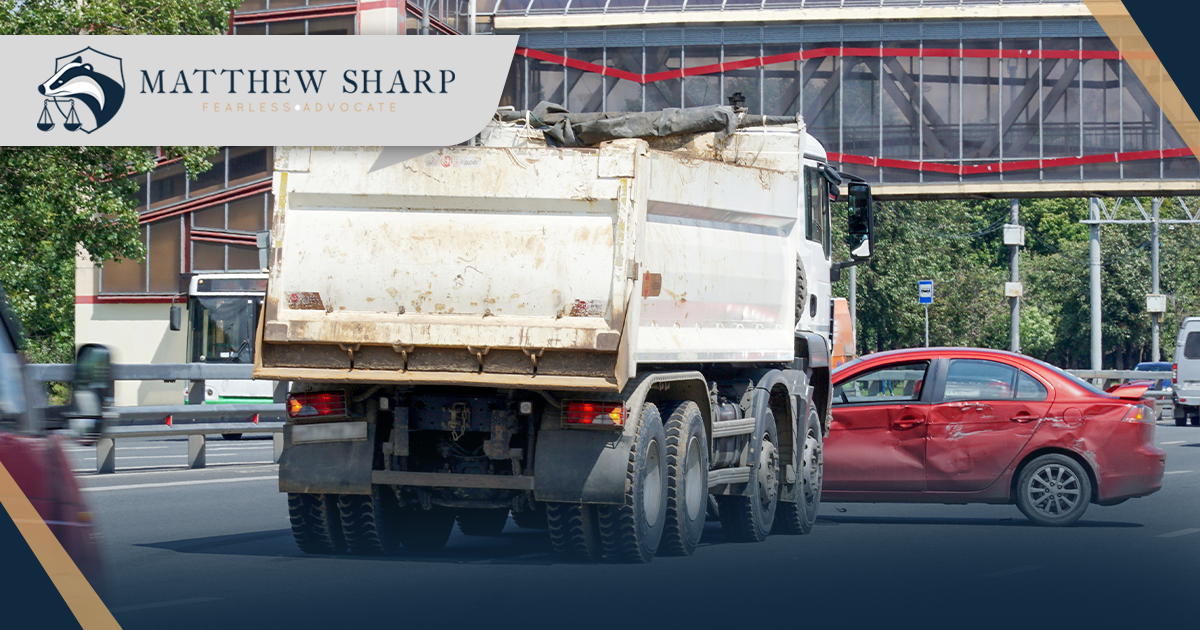
No matter what type of construction project there is, it is a safe bet that trucks will be involved. Whether they’re hauling away debris or bringing in materials for the build, these large trucks are necessary to get the job done, but they’re not without safety risks. The “Move Over Law” is intended to mitigate accidents around construction sites, but it primarily applies to motorists.
What if the fault of the accident is the construction truck driver? That’s where filing a personal injury claim can get complicated.
Grasping the legal hurdles that can arise in a construction truck accident claim is crucial to attaining a positive outcome. If you’ve been the victim of this type of crash, you need a fierce advocate on your side, as you’ll find at the Law Office of Matthew L. Sharp.
As experienced truck accident attorneys in Reno, we understand the unique challenges these types of accidents can present. We’re fully prepared to step up for our clients to obtain the maximum compensation they are entitled to.
Here’s why construction truck accidents can be complicated:
Determining Liability Is Complex
Establishing liability is one of the most complex aspects of pursuing a truck accident claim. In a typical car accident, fault can be attributed to a single driver. However, with a collision involving a commercial vehicle, there can be multiple responsible parties.
For example, a trucking company may be liable for failing to properly maintain its fleet, neglecting safety inspections, or pressuring drivers to meet unsafe delivery schedules. Of course, the truck driver can be held responsible if it can be proven that they engage in reckless behavior, such as speeding, distracted driving, or operating a vehicle while fatigued.
There are also crash situations in which liability may extend to manufacturers of defective components, such as brakes, tires, or steering systems. If those defective parts contributed to the crash, the manufacturer needs to be held accountable.
Identifying all responsible parties is essential to pursuing the full scope of compensation available.
Understanding Federal and State Trucking Regulations
Commercial truck drivers and trucking companies are governed by an exhaustive list of federal and state safety regulations. It begins with the Federal Motor Carrier Safety Administration (FMCSA) and includes regulations from the Nevada Department of Transportation. The goal of these laws is to reduce the possibility of accidents.
When a truck driver or trucking company violates the laws, a clear case can be made for establishing liability, but you first have to understand the full scope of the regulations.
Proving regulatory violations requires access to records that trucking companies and insurers are reluctant to provide. These records include driver employment files, logbooks, and maintenance histories.
Negotiating With Multiple Insurance Policies
Another reason truck accident claims can be complicated is that they rarely involve a single insurance policy. Instead, they frequently involve several high-limit policies held by different parties. If you were to take on the claim file process without understanding all the policy limitations, it can be overwhelming.
Those challenges include the following:
Conflicting Coverage
The truck driver, trucking company, trailer owner, or cargo company may all carry separate insurance policies. That can result in conflicts between the insurance carriers over which company is responsible for paying damages.
Policy Exclusions
Certain policies limit or deny coverage based on factors such as independent contractor status or specific types of cargo. If the truck was transporting that restricted cargo, it could present a problem for an accident victim.
Fortunately, there would be other options to pursue, such as targeting the trucking company’s policy that allowed those violations.
Delays and Denials
Insurers may stall investigations or deny valid claims outright to avoid paying significant compensation.
Successfully dealing with these obstacles requires strong documentation and calculated negotiation. When insurers engage in delay tactics or attempt to avoid their obligations, they are acting in bad faith.
That’s another aspect of filing these types of claims, where an experienced Reno insurance bad-faith lawyer will make a huge difference in your potential outcome.
Why Skilled Legal Representation Matters for Construction Accident Claims
If you were injured in a truck accident and are facing resistance from insurance companies that are not honoring their obligations, you do not have to handle the situation alone. The Law Office of Matthew L. Sharp offers free case reviews to evaluate your claim, determine possible insurance bad faith, and determine the most effective path toward recovery.
CLIENT TESTIMONIALS
“I recently retained the professional services of Matthew Sharp and his law firm to represent my interest in a legal proceeding. Mr. Sharp and his firm shall I say was way over the top in providing excellent and sound legal advice. His professional attitude and attention to detail during the entire process was second to none as well as the rapid and courteous responses from Mr. Sharp and his staff to any and all of my questions regarding my case. Furthermore, I would give my utmost support to anyone choosing Mr. Sharp and his firm in any type of legal representation.”
- RICK S.